Both the Senate and House Republicans have now spoken about their preferred tax reforms. The differences between them are relatively minor.

House, Senate Bills Beat Current Tax Policy but are Far From Perfect
read more


Both the Senate and House Republicans have now spoken about their preferred tax reforms. The differences between them are relatively minor.

The GOP tax plan should do three things. It should expand the economy while raising wages. It should pay for itself. And it should be fair.

In a new Independence Institute working paper on the use and misuse of the False Claims Act (FCA), attorneys Mark W. Pearlstein and Laura McLane explain how an 1863 statute written to expose and punish Civil War contractors who billed for gunpowder and supplied kegs full of sawdust raises costs and threatens access to medical care.
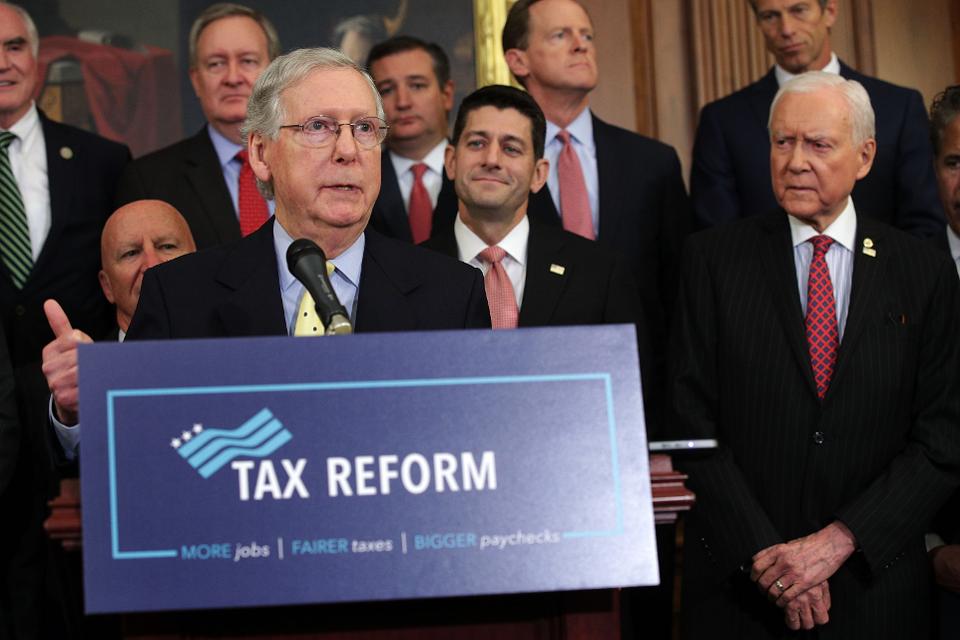
The just-announced Republican tax plan is essentially the House “Better Way” plan proposed in June 2016. The business part of the tax reform transforms our corporate tax into a business cash flow tax (BCFT) by moving to full expensing and restricting interest deductibility.

Repealing ObamaCare would produce better outcomes for patients, those who care for them, and those who pay their bills.

Equifax’s security breach, which occurred on July 29th, but was not disclosed for six weeks, gave criminals access to up to 143 million of our Social Security numbers.

There are many ways to provide medical care for people with pre-existing conditions. Real world experience shows that some work better than others.

Thanks to their rich parents, my friends “Joe” and “Sue’s” wedding was a three-day, 200-guest extravaganza on Maryland’s Chesapeake shore.

The people who crafted the Republican ObamaCare reform bill seem to want to help. They promise other reforms will be coming. Trust us, they say, we’re from the (new) government, and we’re here to help.

In taking over Scott Burns’ column, I promised to perform some money magic — to show you ways to better manage your finances and safely raise your living standard. I can’t do this on a one-on-one basis.